
Introduction
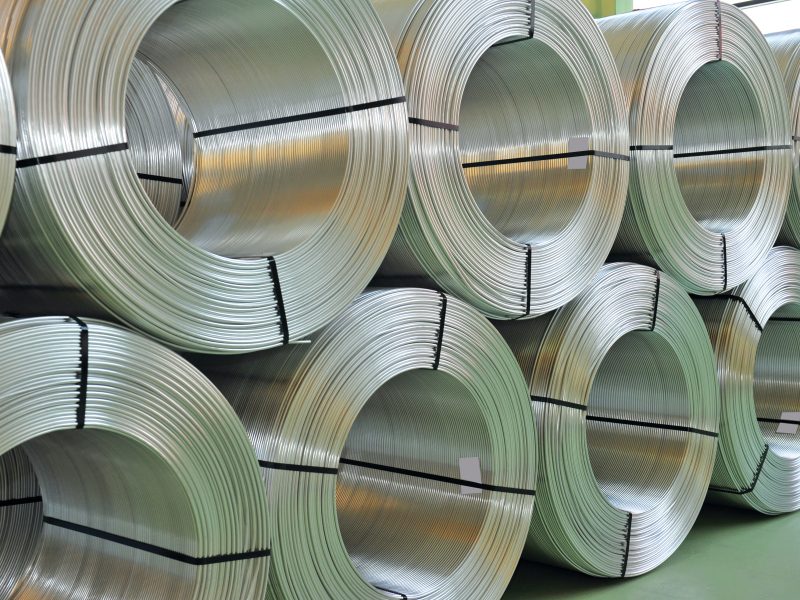
Aluminum, known for its lightweight and corrosion-resistant properties, has become a material of choice in the construction industry. Aluminum ingots, the raw material for various aluminum products, play a significant role in modern architectural and construction practices.
Lightweight and Strong
Aluminum’s lightweight nature does not compromise its strength. It is used in structural components, reducing the overall weight of buildings without sacrificing durability or safety.
- Structural Components: Provides a robust framework while minimizing load.
- Facade Panels: Lightweight yet strong, ideal for high-rise buildings.
| Application | Benefits |
| Structural Components | Reduced weight, strong framework |
| Facade Panels | Lightweight, durable |
Corrosion Resistance
One of the standout properties of aluminum is its resistance to corrosion. This makes it ideal for use in environments exposed to moisture and chemicals, ensuring long-lasting and low-maintenance structures.
- Cladding: Protects buildings from harsh weather.
- Window Frames: Provides durability and reduces maintenance costs.
| Construction Use | Advantages |
| Cladding | Weather resistance, longevity |
| Window Frames | Durability, low maintenance |
Flexibility and Design
Aluminum is highly flexible, allowing for innovative architectural designs. It can be easily molded into various shapes and sizes, enabling architects to create aesthetically pleasing and functional structures.
- Curved Structures: Easily formed into curves for unique designs.
- Decorative Elements: Allows for detailed and intricate designs.
| Architectural Element | Flexibility Advantages |
| Curved Structures | Innovative designs, flexibility |
| Decorative Elements | Detailed and intricate possibilities |
Energy Efficiency
Aluminum’s excellent thermal conductivity contributes to energy efficiency in buildings. It is used in window frames, doors, and facades, helping to regulate indoor temperatures and reduce energy consumption.
- Insulation: Helps maintain indoor temperatures.
- Thermal Barriers: Reduces heat transfer, improving energy efficiency.
| Energy Efficiency Use | Benefits |
| Insulation | Maintains indoor temperatures |
| Thermal Barriers | Reduces heat transfer, energy savings |
Sustainable and Recyclable
Aluminum is 100% recyclable, making it an eco-friendly choice for construction. Recycling aluminum requires significantly less energy than producing new aluminum, contributing to environmental sustainability.
- Recycling: Reduces environmental impact.
- Sustainability: Promotes the use of eco-friendly materials.
| Sustainability Aspect | Environmental Benefits |
| Recycling | Reduces energy consumption, eco-friendly |
| Sustainability | Promotes eco-friendly construction |
Conclusion
Aluminum and aluminum ingots offer numerous benefits in the construction industry. Their combination of strength, lightweight, and sustainability makes them a preferred material for modern construction projects.